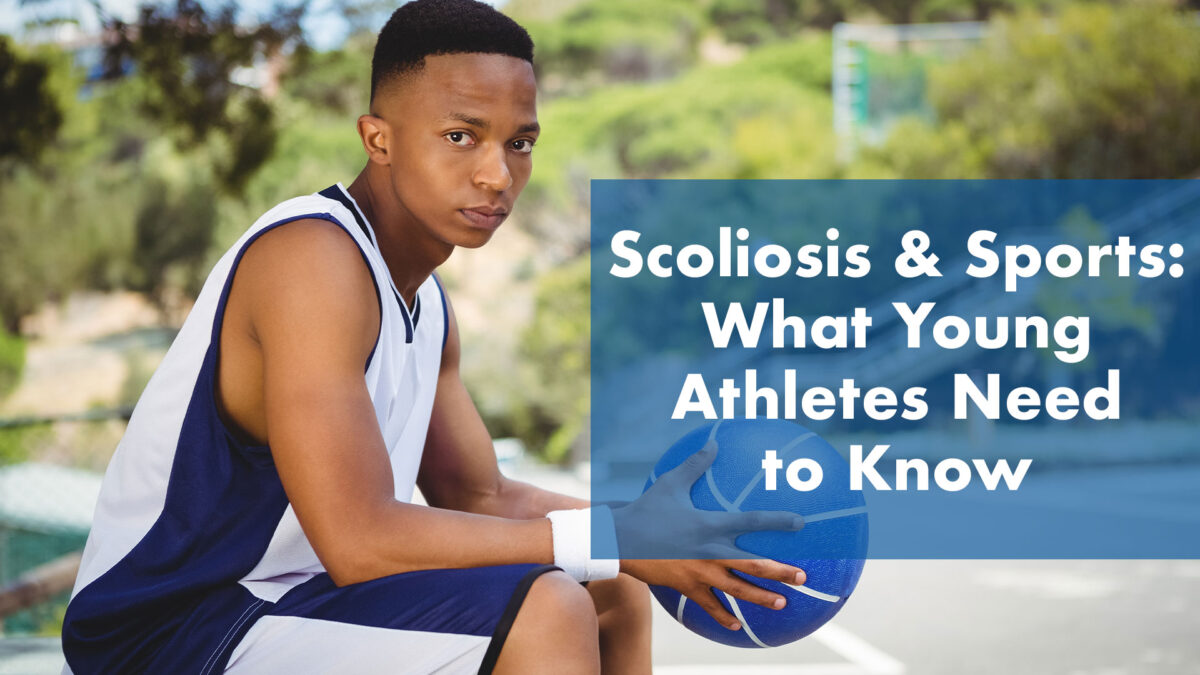
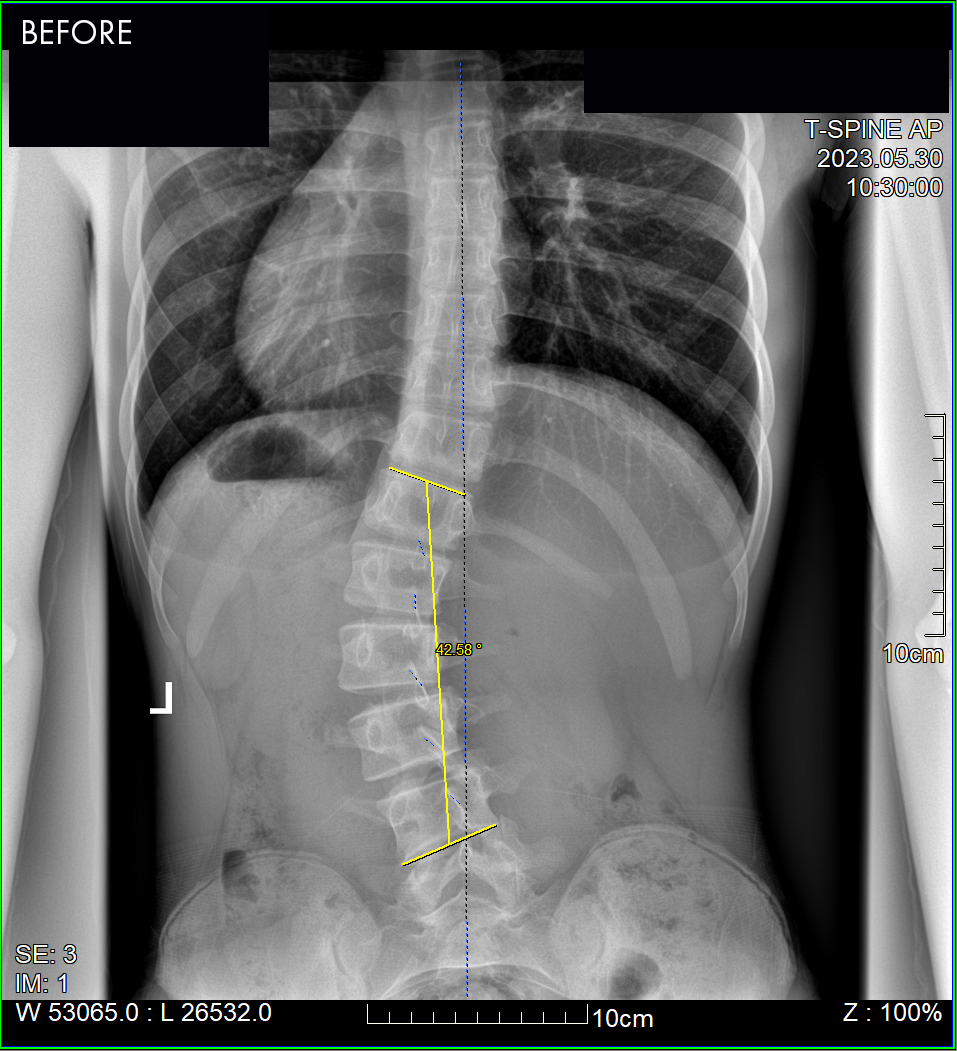
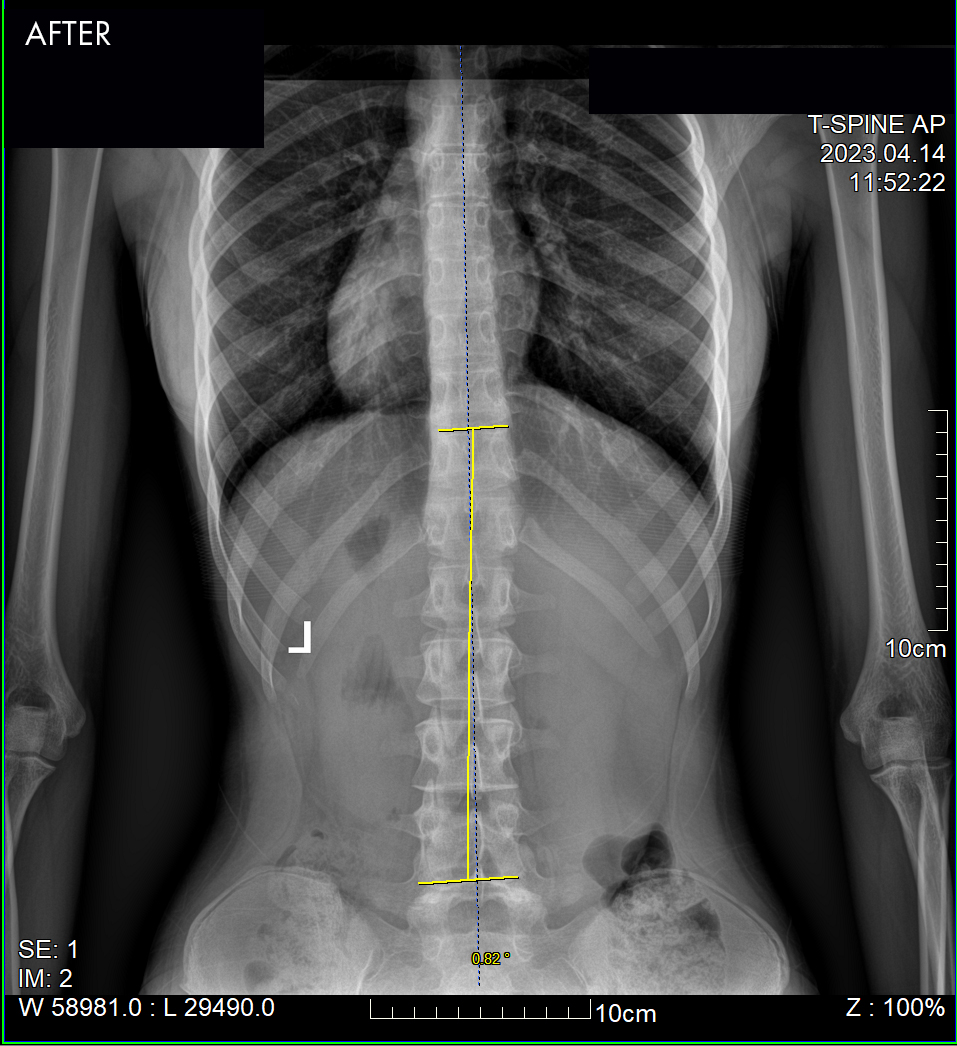
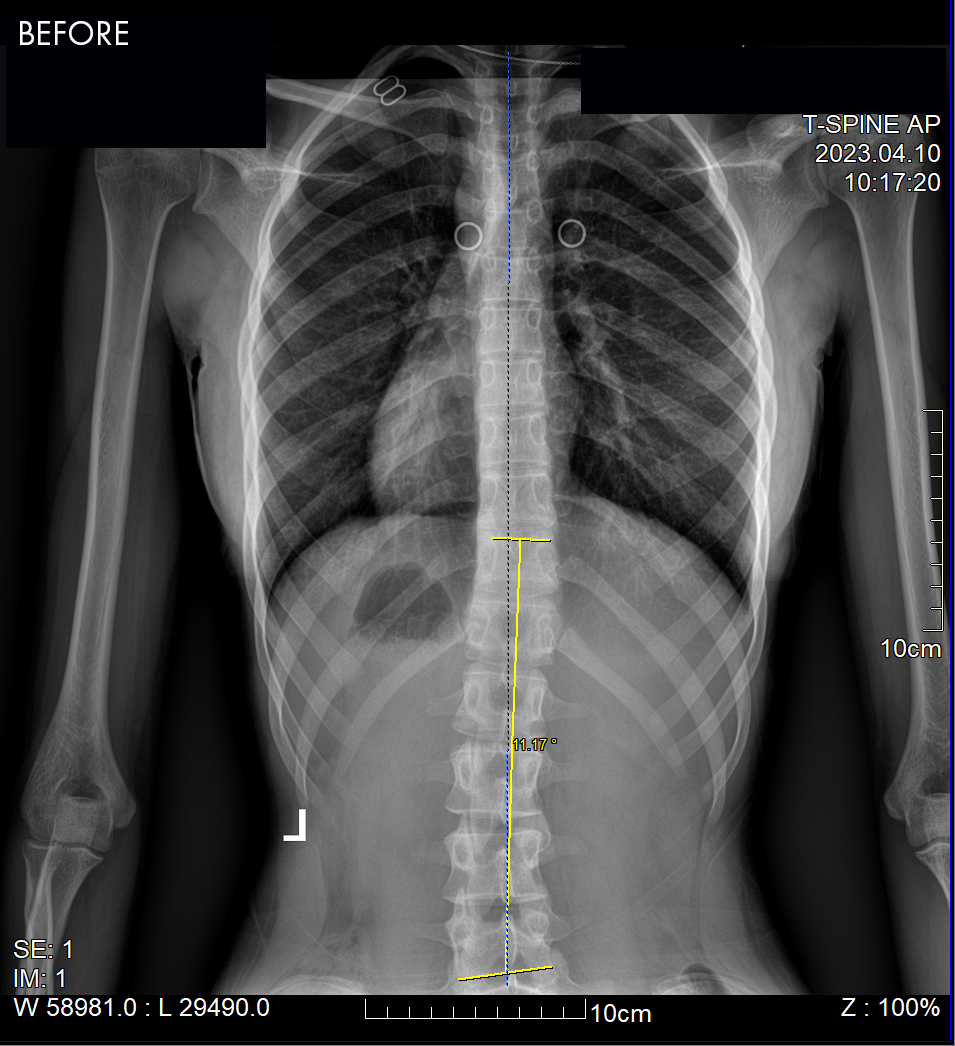
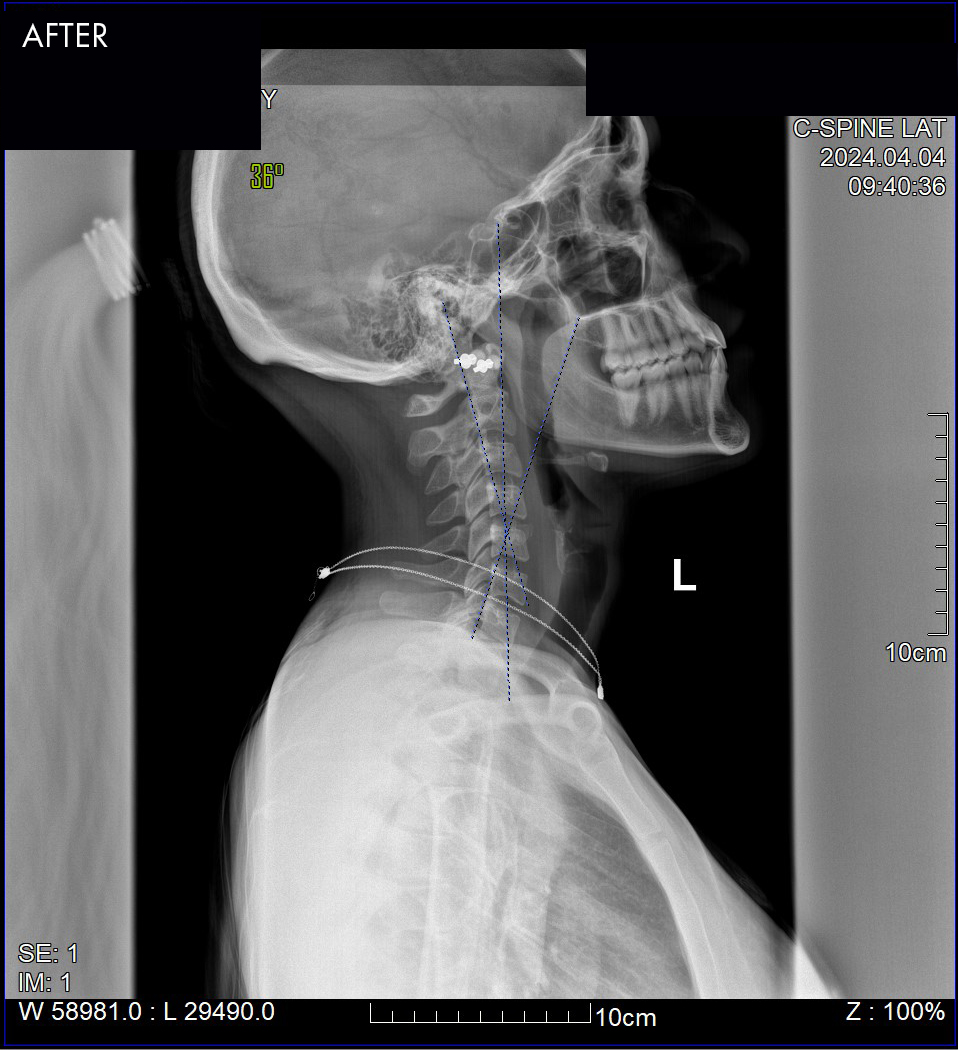
Between football championships, international competition, and basketball tournament season, young athletes across South Florida are training harder than ever. But for families navigating a scoliosis diagnosis, questions naturally arise:
Is it safe to keep playing? Will sports make it worse? Should we limit activity?
Let’s separate myth from fact.
Does Playing Sports Cause Scoliosis?
No.
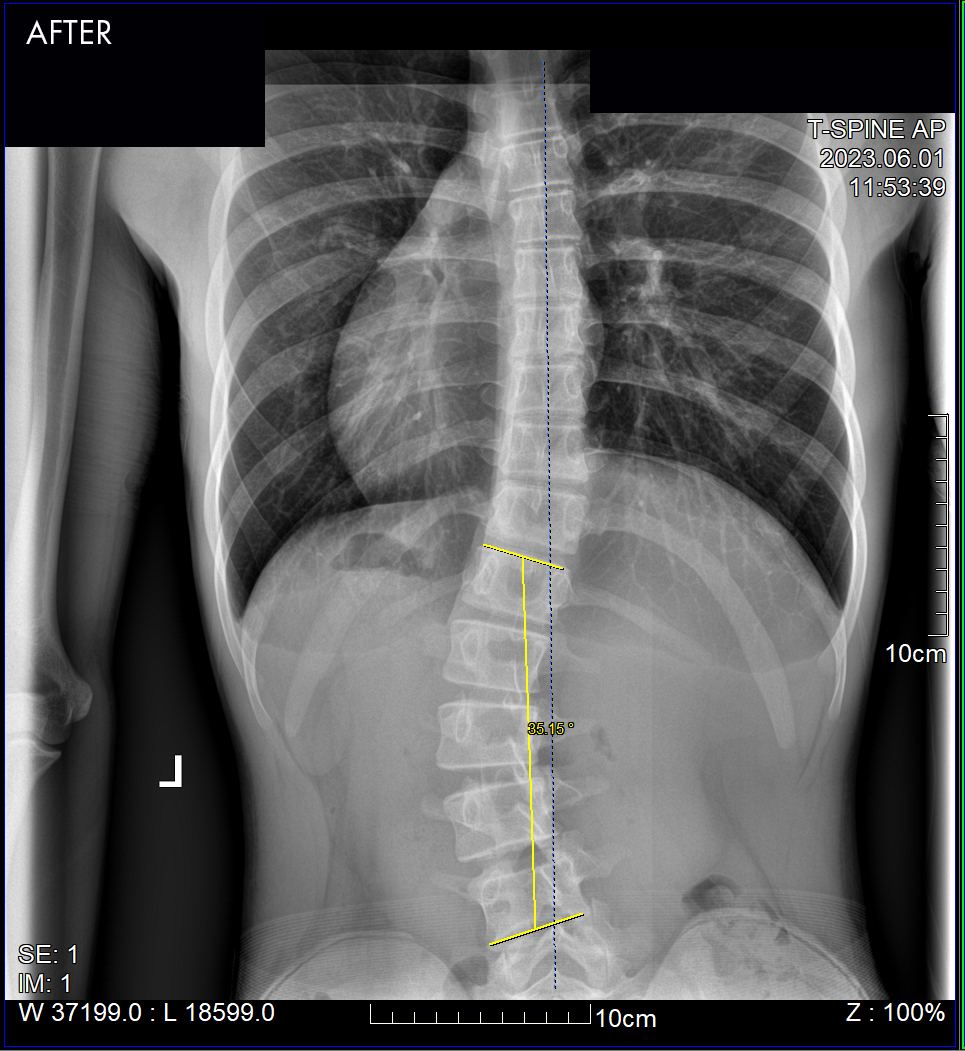
Adolescent idiopathic scoliosis develops for reasons not fully understood, but it is not caused by sports, backpacks, poor posture, or strength training.
In fact, staying active is often beneficial.
Can Kids with Scoliosis Play Sports?
In most cases, yes.
Participation in sports: • Builds core strength • Enhances coordination and balance • Improves cardiovascular health • Supports emotional well-being
However, during growth spurts, spinal curves can progress quickly. This is especially important for competitive athletes training multiple days per week.
Monitoring is key.
Are Certain Sports Better Than Others?
There is no universal “forbidden sport.” However, some activities place more repetitive asymmetrical stress on the spine.
Sports often considered spine-friendly include:
Swimming
Track and field
Soccer
Basketball
Volleyball
Sports that may require closer monitoring:
Gymnastics
Tennis
Golf
Baseball pitching
Dance (especially ballet)
The goal is not restriction — it’s intelligent support.
What Young Athletes Should Watch For
If your child is active in sports and has scoliosis, monitor for:
Uneven shoulders or hips
Rib prominence when bending forward
One side of the back appearing more muscular
Fatigue or back discomfort after activity
Rapid growth over a short period
Growth spurts between ages 10–16 are when progression risk is highest.
How Specialized Care Protects Performance
At South Florida Scoliosis Center and Aventura Wellness & Rehab, we take a performance-minded approach to scoliosis care.
We focus on:
Curve-specific corrective exercises
Postural retraining
Core stabilization
Muscle symmetry
Sport-compatible bracing when necessary
Our goal isn’t to sideline young athletes — it’s to keep them strong, confident, and competitive while protecting long-term spinal health.
Because scoliosis management should support their dreams — not limit them.
When Should You Schedule an Evaluation?
At South Florida Scoliosis Center and Aventura Wellness & Rehab, we take a performance-minded approach to scoliosis care.
We focus on:
During rapid growth
If your child has recently been diagnosed
If you notice posture changes
Before a new competitive season begins
Early intervention provides the greatest opportunity to reduce curve progression and avoid surgery later.